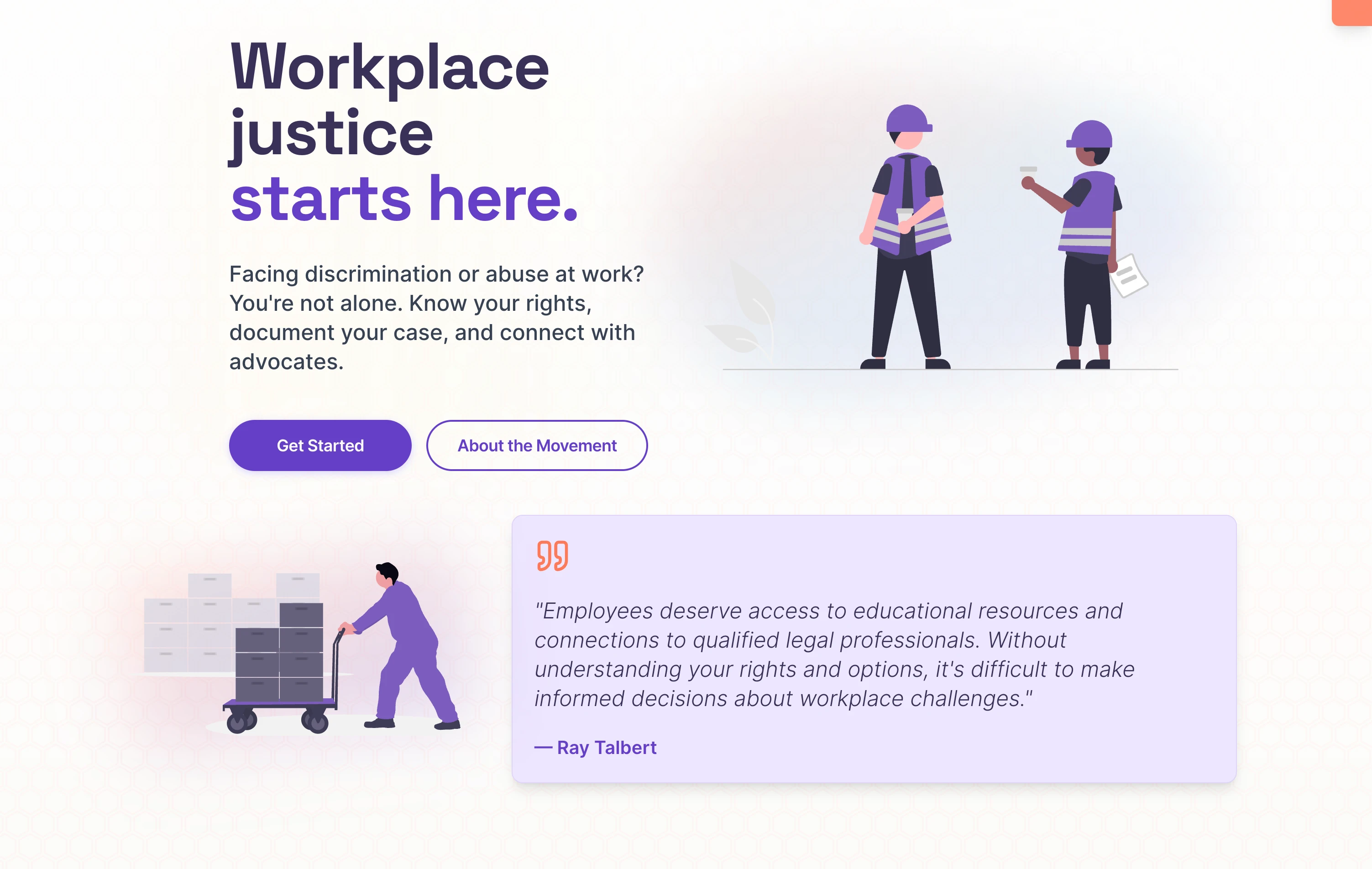
Hive-ly
I led engineering for a platform that helped people document problems at work and find resources and advocates who could help.
Hive-ly was a platform for people dealing with problems at work, including discrimination, harassment, retaliation, and wage theft. I was the CTO and lead engineer.
If something is going wrong at work, figuring out where to begin can be overwhelming. You might have screenshots, notes, and a long list of things that happened, but turning all of that into something you can bring to an attorney or advocate is its own project. We wanted to make that process easier.
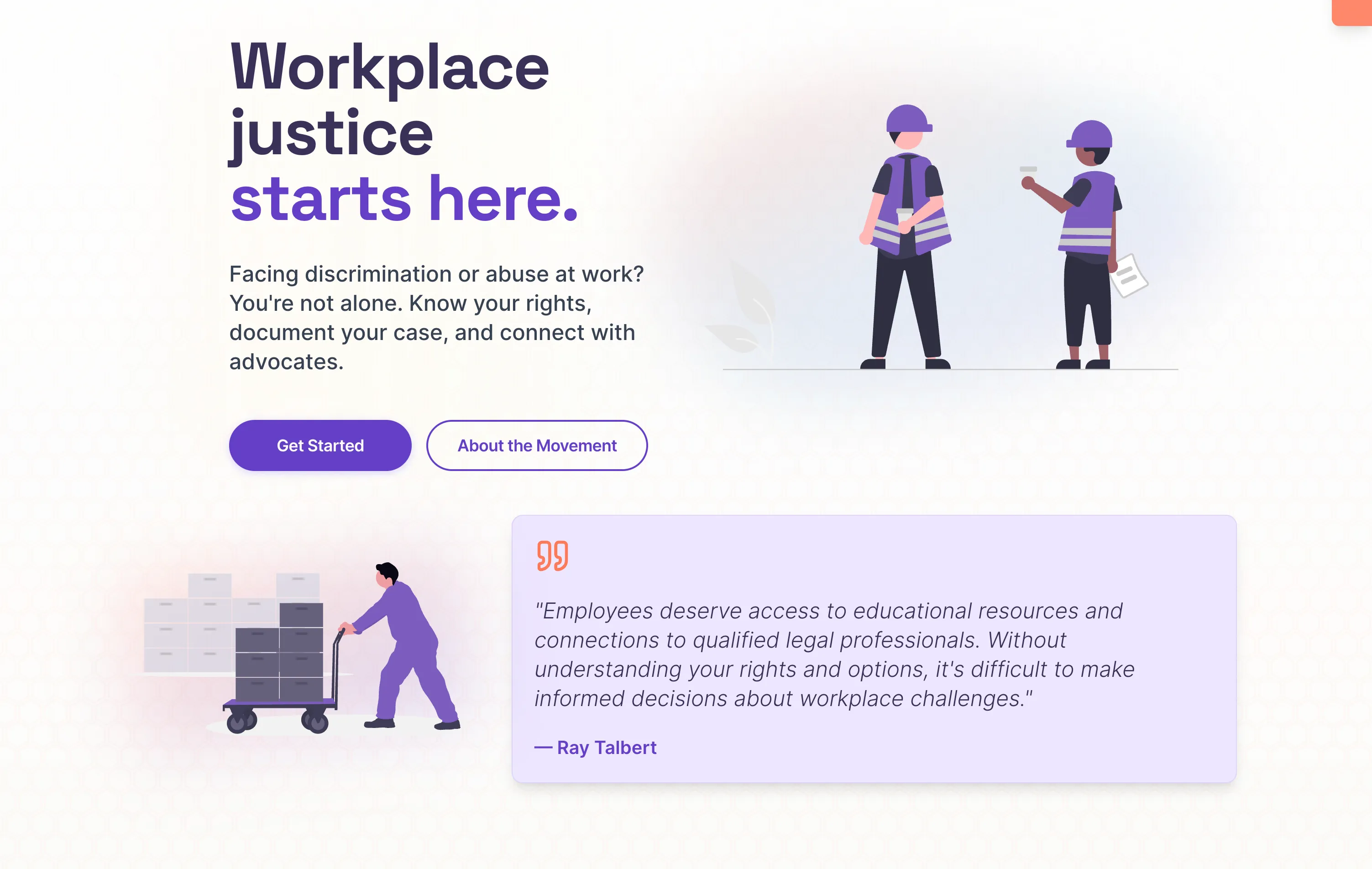
The landing page introduced the tools for understanding your rights, documenting what happened, and finding support.
What I worked on
I led the technical architecture and product development, built the React and TypeScript frontend with a Supabase backend, and set up authentication, deployment, and monitoring. I also established the team’s development workflows.
The product included incident documentation, resource and support directories, and community features. I worked with advocates and legal advisors to understand what people needed before deciding how to build it.
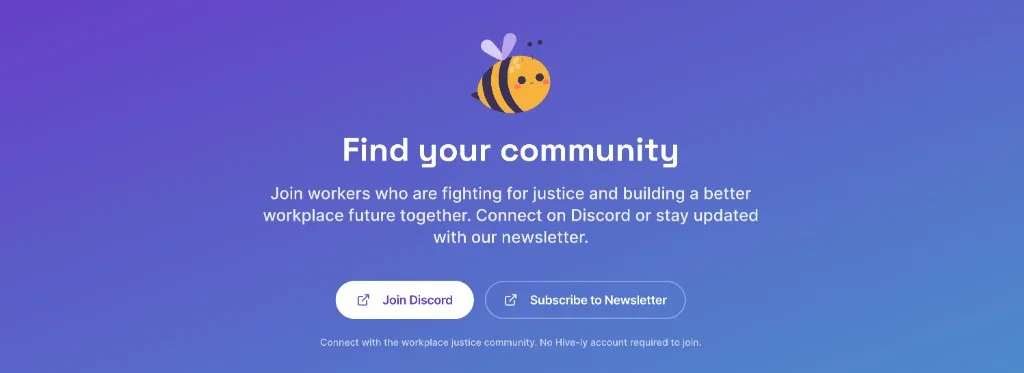
People could join the Discord or newsletter without creating an account.
Helping people organize what happened
The AI-assisted documentation work involved turning scattered notes and documents into timelines and draft narratives. We also explored incident categorization and ways to identify patterns across events.
Someone preparing to ask for help needs an account they can check and correct. That made human review, accuracy, and privacy part of the product work from the beginning. A polished narrative is only useful if it reflects what actually happened.
Building with a small team
We had the practical constraints of a small startup: limited resources, free-tier infrastructure, and a lot to build. I worked on performance, reliability, error monitoring, and authentication alongside the product features.
This project gave me a much closer look at how much work people have to do before they can even ask for support. Organizing the information was one piece of that. Working with advocates helped me understand how it fit into the longer process.
Tools: React, TypeScript, Supabase, and AI-assisted document analysis.